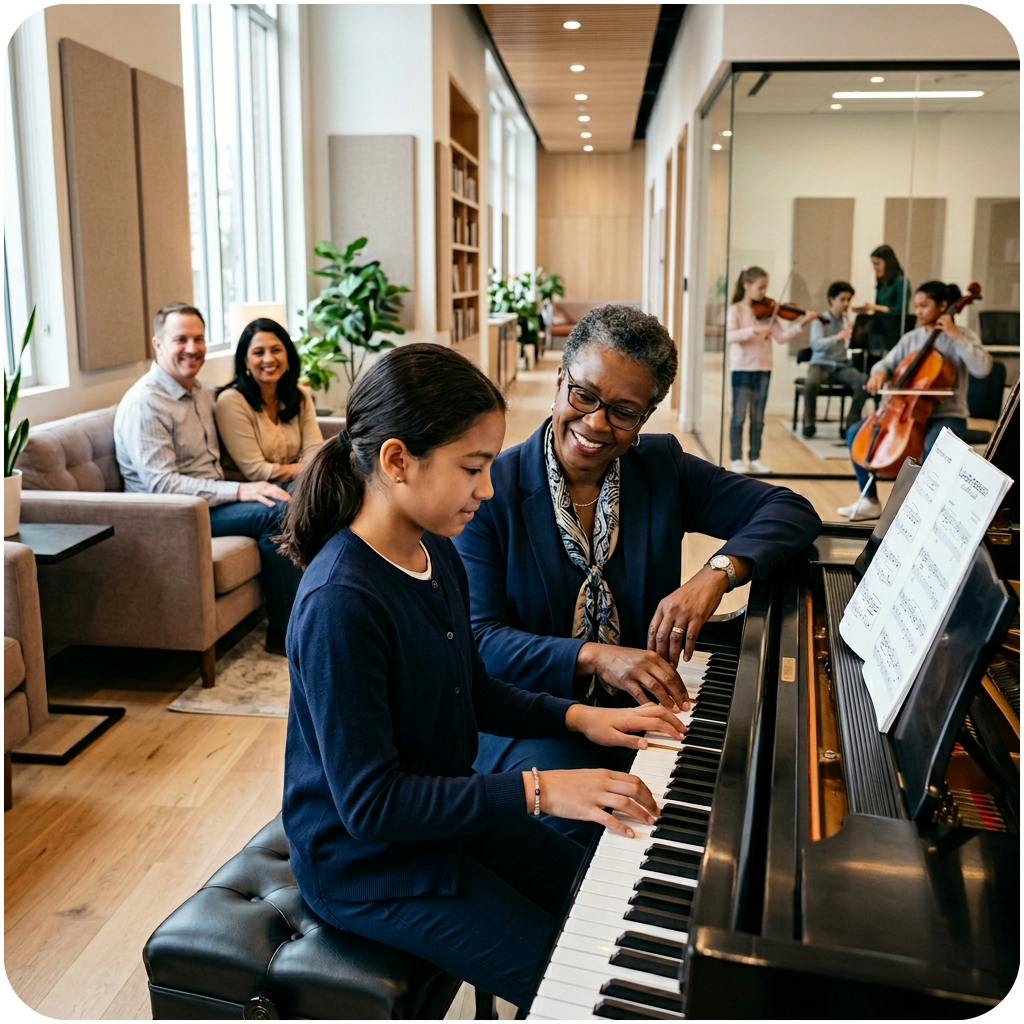
For young learners, piano classes Toronto programs provide not only structured music education but also help build creativity, confidence, and focus. Many parents wonder, what is the right age to start piano lessons, as they seek the best approach for their child’s musical journey. However, while learning the piano can be exciting, it also comes with challenges—children need consistent support, encouragement, and a positive environment to truly thrive. Parents play a crucial role in shaping their child’s musical development, whether by creating an inspiring practice space, providing emotional guidance, or ensuring structured learning at home.
Supporting a child’s music education goes beyond simply enrolling them in lessons; it involves fostering a deep love for music, maintaining motivation, and helping them overcome obstacles along the way.
Here are essential strategies parents can use to ensure their child’s success and enjoyment in learning the instrument.
1. Create a Positive Learning Environment
A child’s surroundings significantly impact their ability to focus and enjoy music practice. Creating an ideal space for learning encourages concentration and motivation.
How to Set Up an Ideal Practice Space
- Choose a Quiet Area – Avoid noisy distractions like TVs or loud conversations.
- Invest in a Comfortable Seat – An adjustable piano bench ensures proper posture.
- Maintain the Instrument – Regularly tune an acoustic piano or ensure a well-functioning digital keyboard.
- Provide Good Lighting – A bright space helps children read sheet music easily.
- Add Personal Touches – Posters of famous pianists or motivational quotes can make the area more inspiring.
By designing a welcoming and engaging space, children feel encouraged to practice regularly without feeling pressured.
2. Encourage Consistent Practice
Many young learners struggle with maintaining a routine, but practice is essential for skill development. Parents can help create a structured schedule to make learning enjoyable.
Ways to Make Practice Engaging
- Set a routine for daily or weekly practice to build discipline.
- Begin with short sessions (15–30 minutes), gradually increasing the duration as your child progresses.
- Use fun challenges, such as mastering a small section each day.
- Reward consistent effort with praise or incentives, such as stickers for younger kids.
- Encourage breaks when frustration arises, allowing kids to return with a fresh mindset.
When practice feels manageable and rewarding, children develop confidence and perseverance in their studies.
3. Engage with Their Piano Teacher
Building a strong relationship with your child’s piano tutor is beneficial in reinforcing lesson concepts at home. Parents should stay involved and communicate with teachers to ensure progress remains consistent.
How to Support Learning Through Teacher Engagement
- Observe Lessons – If possible, watch how in person piano lessons are structured to align home practice with instruction.
- Ask for Feedback – Discuss your child’s strengths and areas for improvement with the teacher.
- Support Assigned Pieces – Ensure your child is practicing songs and exercises recommended by their piano instructor.
- Discuss Techniques – Ask for advice on improving practice methods outside of lessons.
In person piano lessons encourage direct communication with the teacher and allows parents to track their child’s progress effectively.
4. Explore Local Piano Schools and Classes
Finding the right piano school for kids can make a significant difference in a child’s musical journey. Research local options, such as piano classes in Toronto, to find a program that aligns with your child’s needs and interests.
Factors to Consider:
- Curriculum – Ensure the program offers a structured and age-appropriate curriculum.
- Instructor Qualifications – Look for experienced and qualified piano tutors.
- Class Size – Smaller class sizes often allow for more individualized attention.
5. Make Learning a Family Activity
Music can be a wonderful bonding experience. Parents can make piano lessons interactive and enjoyable by including family members in the learning process.
Ways to Create Family Engagement
- Sing Along – Encourage children by singing lyrics to the songs they are learning.
- Play Simple Duets – Even if parents don’t play the piano, they can clap or accompany on another instrument.
- Host a student piano recital at home – Celebrate progress with performances for family members.
By making learning a shared activity, children feel more motivated and excited to practice.
6. Inspire Them with Musical Role Models
Exposure to talented pianists can provide motivation and help kids visualize their potential.
Ways to Inspire Young Learners
- Watch online performances from famous pianists.
- Read biographies of musicians like Lang Lang or Martha Argerich.
- Attend live concerts when possible to experience professional playing.
When kids witness real-world applications of their skills, they feel excited to continue their journey.
7. Let Kids Explore Different Styles
While classical training is fundamental, children benefit from exploring different genres to maintain their interest in playing.
Ways to Keep Music Fun
- Let kids play songs they love, whether pop, jazz, or movie themes.
- Introduce them to diverse genres such as blues or contemporary pieces.
- Encourage them to create their own compositions, fostering creativity.
Playing pieces they enjoy keeps them engaged in their piano class and prevents boredom.
8. Support Them Through Challenges
Like any skill, learning the piano comes with struggles. Parents should help their children navigate difficulties without overwhelming pressure.
How to Offer Emotional Support
- Normalize mistakes, treating them as learning opportunities.
- Remind children that progress takes time, encouraging patience.
- Celebrate small achievements to boost confidence and perseverance.
Providing reassurance ensures kids remain motivated even when facing technical difficulties.
9. Invest in Beginner-Friendly Resources
Utilize piano lesson plans for beginners to supplement your child’s learning. These resources can provide structured guidance and additional practice materials to reinforce what is taught in class. One key skill that beginners should develop is how to read sheet music for piano, which will enhance their overall musical understanding.
Useful Piano Learning Tools
- Interactive Apps – Programs like Simply Piano or Flowkey add fun to practice while helping your child learn how to read sheet music for piano in a more interactive way.
- Music Theory Workbooks – Helps kids understand rhythm, notation, and technique, all of which are crucial for reading sheet music effectively.
- Sheet Music Books – Select engaging books with songs suited to their level, encouraging practice with real sheet music.
A well-rounded approach ensures children stay engaged and develop the essential skills needed to progress in learning.
10. Maintain Open Dialogue About Their Progress
Parents should actively discuss their child’s experience with piano lessons to provide encouragement.
Helpful Questions to Ask
- What was your favorite part of today’s lesson?
- Which song are you enjoying the most?
- Is anything feeling difficult? How can I help?
By keeping an open conversation, children feel supported throughout their musical journey. Above all, parents should ensure that a child’s journey in a piano school for kids should feel exciting rather than stressful.
Your Role in Their Musical Journey
Parents are the quiet force behind a child’s success in music, offering the encouragement, patience, and structure that young learners need to thrive. Your belief in your child’s potential can be the difference between frustration and fulfillment, turning each note into a stepping stone toward confidence and creativity. Even on days when progress feels slow, your steady support helps build resilience, discipline, and a genuine love for music. Watching your child grow—not just as a musician, but as a person—can be one of the most rewarding experiences of parenthood. The best way to begin that journey is by giving them the opportunity to grow through thoughtfully chosen piano classes in Toronto that ignite a lifelong passion and help them truly flourish.Ready to inspire a lifelong love of music in your child? Enroll them today in engaging, age-appropriate piano classes in Toronto designed to build confidence, creativity, and skill.