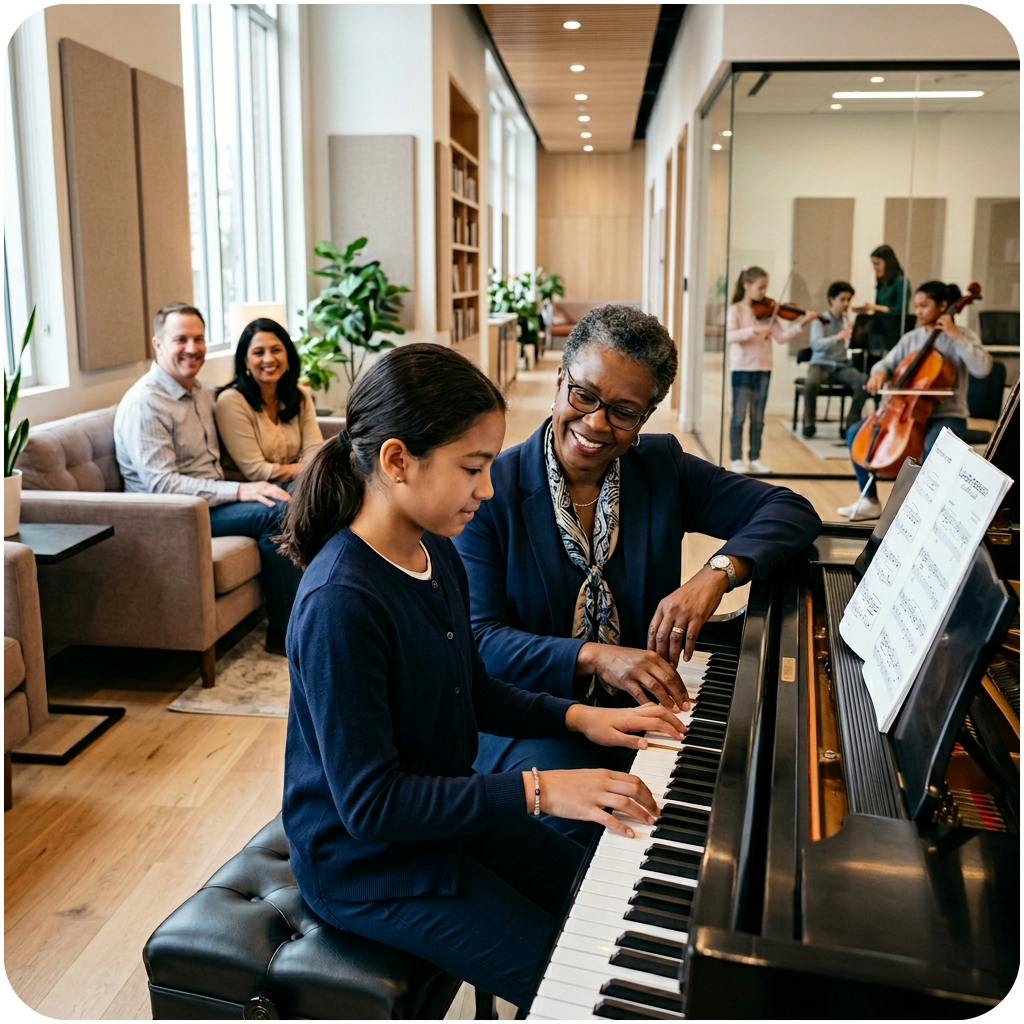
How can I improve my music knowledge? It’s a question every curious learner, passionate hobbyist, and future professional asks at some point on their journey. The answer goes far beyond scales and notation—it’s about developing critical listening, embracing technology, and immersing yourself in real-world experiences. Whether you’re self-taught, enrolled in lessons, or just starting out, practical strategies and inspiration expand your understanding and skill set.
Listen Deeper, Not Just Louder
Before you play a single note, you need to hear them—truly hear them. Intentional listening teaches you to recognize patterns, instrumentation, and dynamics. Instead of playing in the background, give it your full attention. Close your eyes. Identify the layers. This trains your brain to recognize the logic of sound intuitively—far beyond what textbooks can offer.
Refine Your Practice Routine
Improving knowledge without practicing music is like building vocabulary without speaking the language. The key is deliberate practice. Focus on weak spots, isolate technique challenges, and build up endurance and precision slowly. Balance technical exercises with creative time—like improvising or composing small pieces—to reinforce learning in new contexts.
Know the Basics: Theory & Notation
Understanding the building blocks is essential. What are the 7 musical notes? They are A, B, C, D, E, F, and G—repeating in cycles to form every melody you’ve ever heard. Learning their patterns through scales, intervals, and key signatures forms the backbone of solid knowledge.
Additionally, what is musical knowledge? It’s not limited to theory. It encompasses an understanding of styles, historical context, emotional dynamics, and performance practices. The more you absorb, the more authentic your interpretations will be.
Immersion Is Everything
Jump into the creative world of arts and sounds —attend workshops, masterclasses, jam sessions, and local performances. True music immersion means surrounding yourself with live experiences that challenge and inspire you.
Participating in events like the Canada Music Competition can be a powerful growth opportunity. Founded in 1958, the CMC is one of the country’s most prestigious classical performance contests, bringing together young Canadian artists for performance, expert feedback, and national recognition.
Immersive settings like these offer more than just practice—they offer perspective, community, and the motivation to reach new heights.
Learn to Analyze Music
One way to gain an edge is to ask questions like: How is this song structured? What harmony supports this melody? Why do these rhythm choices work? This kind of insight helps you explore how to understand music and develop an ear for analyzing patterns and phrasing, instead of just memorizing.
For structured learning, consider enrolling in group music education or one-on-one settings. Regular evaluations—such as those following music exams Canada standards—encourage focused growth and accountability. These exams assess everything from performance and technique to theory and ear training, helping students track their progress through graded levels. Many of these programs also offer high school credit eligibility, digital exam options, and personalized feedback from certified examiners.
Whether you’re preparing for a career in this field or simply want to measure your growth, these exams offer clear milestones and motivation to keep improving.
Embrace Tech for Learning
The digital age has opened up revolutionary tools for artists and performers. From virtual studios to reading music programs, tech allows instant access to supplemental resources. Try apps focused on how to learn to read music fast—some use gamification to boost your fluency in sight-reading, rhythm dictation, and pitch recognition. The relationship between technology and music education is evolving rapidly, and tapping into it can make complex topics more accessible.
Learn With Others
Solo learning has its place—but playing and creating with sound is naturally social. Joining a group music program offers benefits you can’t replicate alone: timing synchronization, harmonizing, leadership, and improvisational adaptation. Group music education also develops empathy and active listening, which are critical for any well-rounded artist.
Choose Your Learning Environment Wisely
If you’re serious about your growth, invest in an environment that challenges and supports you.
- Consider institutions like North York music school, music school in Brampton, or music school Kitchener—each known for offering access to quality instruction and performance opportunities.
- Can’t travel far? A quick search for a school of music near me can open doors locally.
- Prefer one-on-one instruction? Explore private music schools or even in house music lessons in Toronto, which provide convenience and customization.
- Established Toronto music schools often come with strong alumni networks and access to top-tier faculty.
Whether online or in-person, the right music school makes all the difference in pacing your progress and nurturing your potential.
Explore Instruments Beyond Your Own
Even if you’ve found your primary instrument, understanding what are the 5 types of musical instruments?—strings, woodwinds, brass, percussion, and keyboards—helps you get better at recognizing different sounds and how they fit together. It also makes you a stronger listener and a more flexible player, no matter what you choose to play.
Test Your Musical Instincts
Curious if you have a natural ear for melody and rhythm? Understanding what is musical aptitude through aural skill tests can help you identify strengths and areas for development. While aptitude can give you a head start, discipline and consistent effort are what will truly take you far.
Track Progress Through Evaluation
As you progress, try submitting your work for music evaluation. This could be part of a formal test or an informal workshop. External feedback helps you refine technique, identify gaps, and gain confidence. It also prepares you for higher-stakes opportunities like auditions, recordings, and professional collaborations.
Understand Music’s Educational Value
Ever wonder why do schools have music at all? It’s because learning an instrument or engaging with sound-based arts fosters a wide array of transferable skills: discipline, emotional expression, cognitive agility, collaboration, and cultural literacy. These are vital traits not just for performers and composers—but for citizens, creators, and innovators.
Beyond Skills: What You Learn From Music
Ultimately, what can you learn from music? Empathy, patience, creativity, persistence, cultural appreciation, and how to tell stories without words. These life skills shape who you are, how you relate to others, and how you find your place in the world.
Final Thoughts: So, How Can You Keep Growing?
Building your understanding of the craft is a layered process—one in which practicing, theory, ear training, history, and technology all play vital roles. Whether you’re preparing for exams, performing in groups, or simply exploring the art form for personal growth, each step adds value to your journey. Stay consistent, stay curious, and use a mix of structured learning and creative exploration. With dedication and the right resources, the answer becomes clear when you ask yourself: how can I improve my music knowledge?
Ready to Take the Next Step in Your Journey?
Whether you’re just starting out or looking to refine your skills, our expert-led programs and personalized lessons are designed to take your knowledge to the next level. Explore our programs and book a lesson today.