
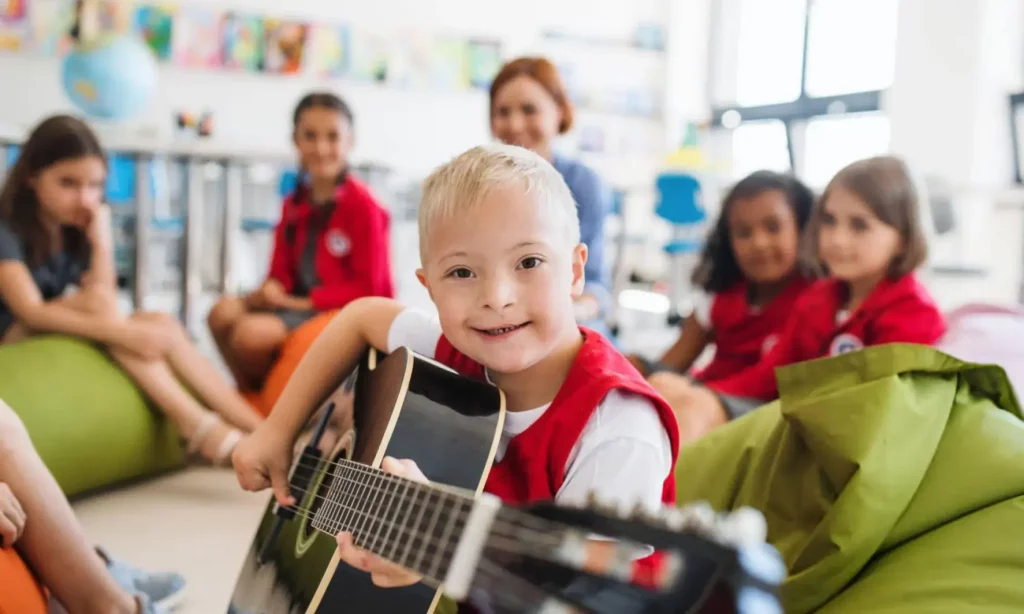
Special needs music programs play a vital role in the educational and emotional development of students with learning disabilities. Music has long been recognized as a powerful tool for enhancing cognitive, emotional, and social functioning. When thoughtfully tailored, music instruction can unlock a student’s potential in unique and meaningful ways. Whether through group or private lessons, these programs offer opportunities for creative expression, skill-building, and joy. But what’s more effective—group lessons, private instruction, or a blend of both? Understanding the benefits of each can help families and educators make informed decisions about how to support their students.
Benefits of Private Music Classes
A private session can be especially transformative for students with learning disabilities. The one-on-one format allows for personalized instruction that adapts to the pace, interests, and learning style of the individual student. This level of customization is often difficult to achieve in a group setting.
Personalized Attention
A one-on-one dynamic allows a special needs music instructor to design lessons that suit each student’s learning style, pace, and interests. This can significantly reduce distractions and anxiety, which are common barriers to learning in children with learning challenges such as ADHD, autism, or dyslexia. Students benefit from predictable routines, customized teaching strategies, and environments tailored to their sensory and emotional needs.
- Instructors can repeat concepts or techniques as needed without pressure
- Goals are set based on the student’s abilities and comfort level
- Progress is tracked more closely with individualized feedback
Emotional and Cognitive Benefits
Private music programs can offer calm, distraction-free settings for students who struggle in overstimulating environments. Students may feel safer expressing themselves when not being observed or compared with others.
- Enhances focus and memory retention
- Builds self-esteem through small victories
- Strengthens fine motor skills and coordination
In locations like Scarborough, specialized special needs piano lessons in Scarborough are available, offering personalized strategies tailored to the individual. These lessons often include visual aids, modified instruments, or alternative teaching methods that align with the learner’s needs.
Flexibility and Trust
When a trusting relationship builds between student and special needs music instructor, it becomes a cornerstone for growth. The instructor understands specific barriers the student may face and adapts accordingly—whether that’s using visual cues, tactile methods, or technology to reinforce concepts.
Benefits of Group Music Lessons
Group music programs offer an entirely different set of benefits, fostering community, collaboration, and joy.
Social Skills and Inclusion
For students with learning disabilities, group settings offer a chance to connect with peers in a supportive, nonjudgmental setting. Playing and singing together can help reduce isolation and cultivate teamwork.
- Encourages listening, turn-taking, and sharing
- Builds communication and collaboration skills
- Offers belonging and boosts self-worth
Group programs are especially valuable in building social-emotional intelligence. The shared experience becomes a bridge between diverse abilities and personalities.
Motivation and Energy
Group settings bring natural excitement and camaraderie. Students often feel energized by the rhythm, movement, and dynamics of learning in a collective space. A group environment often includes games, movement, and improvisation that make the learning process fun and engaging. These playful elements are particularly beneficial for younger children or those who need sensory input to stay focused.
- Music games and ensembles spark creativity
- Peer encouragement increases participation
- Keeps students engaged longer
Additionally, group classes are often more affordable, making them accessible to a broader range of families. Programs like fun classes for adults Brampton and youth-based offerings can even integrate different age groups, fostering mentorship and diverse interactions. These examples show that group learning fosters a community of lifelong learners across all ages.
Exposure to Variety
Group music lesson environments often expose students to multiple instruments, genres, and roles within ensembles. This variety can help a student find their passion or challenge them in new ways.
Whether it’s guitar lessons Kitchener Waterloo, violin lessons mississauga, or Toronto singing lessons, the breadth of options in group music schools encourages exploration beyond the student’s starting point.
A Combined Approach Can Be Powerful
While private instruction zeroes in on the individual, group lessons bring social and collaborative enrichment. Merging these approaches—often within the same curriculum—can be especially powerful.
Holistic Development
Alternating between one-on-one and group sessions creates a balanced musical education. Students develop personal skills like discipline and technique alongside social skills like empathy and cooperation.
- Private classes provide grounding and skill-building
- Group lessons offer application and interaction
- Together, they strengthen confidence and musicality
Special needs music schools increasingly integrate hybrid programs. For example, starting with piano lessons for learning disabled students in private sessions and gradually transitioning into group music programs can ease students into peer engagement while reinforcing foundational skills.
Tailored Transitions
A blended strategy allows educators and special needs music instructors to monitor when and how to move a student between individual and group formats. This reduces stress and builds readiness without abrupt shifts.
This flexibility is key in inclusive music programs that aim not just to teach music, but to help students thrive on their own terms.
What to Consider When Choosing Special Needs Music Programs
Selecting the right special needs music program requires a thoughtful look at the student’s strengths, challenges, and goals—as well as the program’s structure and instructor qualifications.
Student Profile
Every student is different. Consider:
- Sensory sensitivities and emotional triggers
- Social needs and communication styles
- Attention span and capacity for structure
Some students may flourish in group environments from the start, while others may need weeks of one-on-one instruction before engaging with others.
Program Reputation
Whether considering private or group lessons, look into:
- The credentials and experience of special needs music instructors
- Accessibility and inclusivity features of the facility
- Flexibility in lesson plans and progress tracking
Look for a special needs music instructor who has experience working with students with learning disabilities. Ask about their training, teaching approach, and success stories. Some instructors have backgrounds in special education, adding a valuable layer of expertise and empathy to their instruction.
Location and Accessibility
Proximity to home, availability of virtual options, and ease of transportation are practical considerations. Families in various cities can find a special needs music school locally, such as Brampton music lessons for adults, music lessons North York for adults, and adult singing lessons Hamilton, that offer diverse class formats.
Musical Preferences
Whether a student is interested in ukulele lessons Toronto, vocal lessons Brampton or violin lessons Scarborough, aligning the student’s interests with the program can increase engagement and motivation.
Long-Term Goals
Are the lessons meant for skill-building, therapy, or enrichment? The answer may steer you toward a private music class, group music lesson, or combination.
Programs like music lessons Niagara Falls for adults demonstrate how even adults with learning disabilities benefit from tailored instruction that combines technical training with creative exploration.
Closing Thoughts
Ultimately, the choice between private and group lessons should be guided by the individual needs, preferences, and goals of the student. While private music classes offer personalized attention and adaptability, group music lessons provide essential social learning and emotional development. For many families, a combined approach offers the most balanced and rewarding experience.
No matter which path is chosen, music can be life-changing—enhancing self-esteem, fostering relationships, and unlocking creativity in students with learning disabilities.
With the right support, every student has the chance to thrive through well-designed special needs music programs.Ready to spark creativity with music? Whether it’s piano, guitar, or voice—our special needs programs offer an experience that fits your learner. Register now!